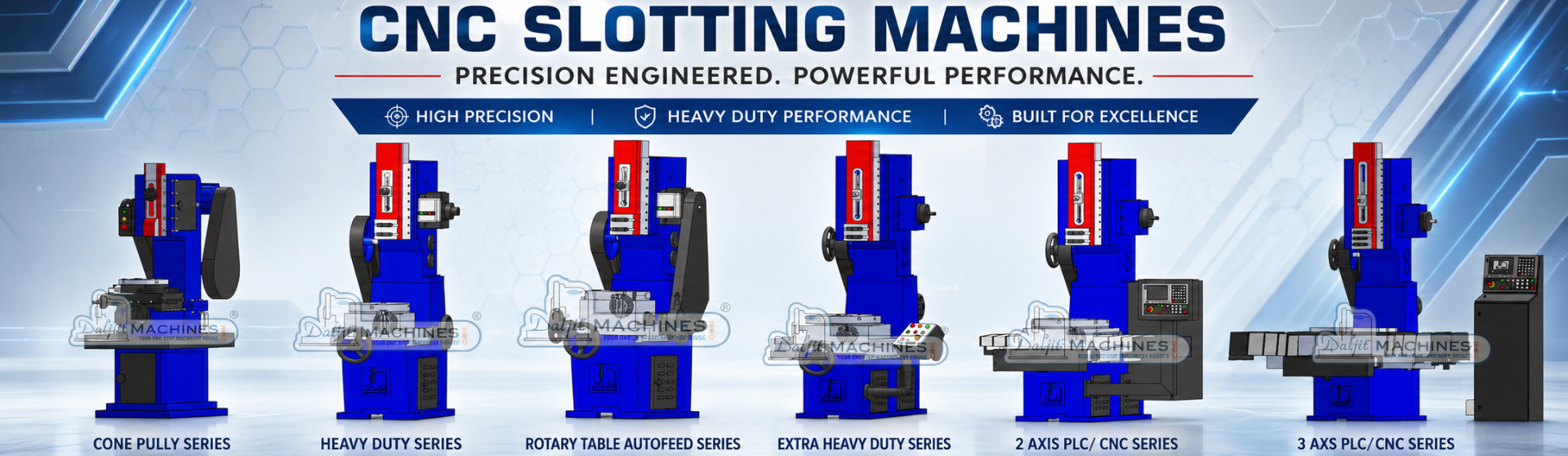
Slotting machines are the unsung heroes of the manufacturing world. They might not take center stage like their flashier counterparts, but they play a crucial role in shaping metal parts with precision and efficiency. If you've ever wondered how intricate grooves and slots appear on various machined components, these machines are behind that magic. From automotive to aerospace applications, understanding slotting machines can enhance your knowledge about machining processes.
Two primary types steal the spotlight: horizontal slottingmachines and vertical slotting machines. Each type has its own unique features
and advantages that cater to specific needs in different industries. Whether
you're an engineer looking for solutions or simply someone fascinated by
machinery, diving into the world of slotting will reveal why these tools matter
so much in modern manufacturing.
The Basic Function of Slotting Machines
Slotting machines are essential tools in the machining
world. They create precise grooves, slots, and keyways in various materials.
This capability allows for a perfect fit in assembly processes. The basic
function involves a single-point cutting tool that moves vertically or horizontally
across the workpiece. As the machine operates, it removes material efficiently
while maintaining accuracy.
This process is vital for producing components like gears
and pulleys. It ensures that parts can interlock seamlessly within larger
assemblies. Versatility is another strong point of slotting machines. They
cater to different industries, from automotive to aerospace, showcasing their
importance across sectors.
With advancements in technology, these machines have evolved
significantly but retain their fundamental purpose delivering precision and
efficiency in manufacturing tasks.
Horizontal Slotting Machines: Features and Uses
Horizontal slotting machines are designed to provide precise
and efficient machining operations. They utilize a horizontal cutting tool that
moves back and forth, allowing for effective shaping of various materials. One
notable feature is their ability to create slots, grooves, and keyways with
remarkable accuracy. This makes them ideal for tasks in industries like automotive
and aerospace.
The machine's stability is enhanced by its robust frame,
ensuring minimal vibration during operation. This leads to cleaner cuts and
improved finish quality on the workpiece. Another advantage is versatility;
they can handle different materials such as metal, plastic, or wood. Operators
appreciate the ease of setup and adjustment, making it simpler to switch
between projects without significant downtime.
These machines shine particularly when working on larger
components that require extensive profiling or intricate designs. Their
operational efficiency often translates into reduced production time while
maintaining high-quality outputs.
Vertical Slotting Machines: Features and Uses
Vertical slotting machines are designed to tackle a variety
of machining tasks with precision and efficiency. Their vertical orientation
allows for easy access and better visibility while working on components. One
standout feature is their versatility. These machines can handle intricate
cuts, keyways, and grooves in various materials, making them essential in
toolmaking and part fabrication industries.
The vertical design also provides improved control over the
cutting process. Operators can make accurate adjustments, ensuring that every
pass delivers the desired finish.
Common applications include creating slots in metal parts or preparing surfaces for subsequent operations. Industries like automotive, aerospace, and manufacturing frequently rely on vertical slotting machines to meet their production needs effectively. With advancements in technology, many modern versions come equipped with CNC capabilities. This enhances automation features while maximizing productivity across different projects.
Key Differences Between Horizontal and Vertical Slotting
Machines
When comparing horizontal and vertical slotting machines,
the orientation of the cutting tool is a defining factor. Horizontal machines
have their cutting tools positioned parallel to the ground. This design allows
for efficient material removal on larger workpieces.
In contrast, vertical slotting machines feature a tool that
moves up and down. This orientation can be beneficial for intricate cuts or
detailed patterns, especially in smaller components.
Another key difference lies in versatility. Horizontal
models are often used for heavier tasks and thicker materials due to their
robust build. Vertical versions excel at precision tasks where fine details
matter more than sheer power.
Operational speed varies as well; horizontal slotters
typically have quicker cycle times for bulk operations while vertical ones
might take longer but deliver higher accuracy on delicate jobs. Each machine
serves unique industrial needs based on these distinctions.
Factors to Consider When Choosing Between Horizontal and Vertical Slotting Machines
When deciding between a horizontal slotting machine and a vertical slotting machine, several factors come into play. First, consider the type of materials you'll be working with. Different machines excel in handling various material densities and thicknesses.
Next, think about the specific applications you have in mind. Horizontal machines are often favored for larger workpieces, while vertical models can tackle intricate designs more effectively.
Space is another crucial aspect. Horizontal slotting machines typically require more floor space due to their design. Don’t forget about maintenance needs as well. Vertical slotters may involve different upkeep protocols than their horizontal counterparts. Assess your budget constraints; prices can vary significantly based on features and model types available in both categories.
Conclusion
Slotting machines play a crucial role in various
manufacturing processes. Understanding the differences between horizontal and
vertical slotting machines can significantly impact your production efficiency.
Choosing the right type depends on several factors, including the nature of your projects, space availability, and specific machining requirements. Horizontal slotting machines often excel in applications requiring precision with larger workpieces, while vertical slotting machines are favored for their versatility in creating intricate designs. By carefully evaluating these aspects, you can make an informed decision that enhances productivity and meets your operational needs effectively. The right machine not only improves output quality but also streamlines workflows within your facility.